Live chat has become an extremely significant means for companies to communicate with their clients. When you click a chat box on a site, you are seeking quick, handy responses. This is why chat agents require unique chat handling skills that are different from those for phone calls or emails. These chat operators are the digital face of their company.
Being great at this job takes more than just typing fast. Chat support agents need good communication skills, speed, and smart thinking. If you want to go from being okay to being amazing at this job, you need to learn these skills. We’ve sorted them into three main groups: Communication, Speed, and Problem-Solving.
For a broader overview of the channel, first see what live chat is and how businesses use it.
Part 1: Communication Skills (The People Part)
In live chat conversations, you can’t use your voice or hand gestures to show feelings. Everything has to come through in the words you type. This makes clear communication the most important part of the job.
1. Writing That’s Clear, Short, and Correct
When customers use live chat features, they want clear answers fast. They don’t want to read long paragraphs or try to figure out what you mean.
Clear Writing: Get right to the point. If someone asks how to reset their password, your first sentence should be: “You can reset your password by following these three steps.” Don’t write a long greeting before answering the question.
Short Writing: Use fewer words without losing the meaning. Chat support is fast, and short messages are easier to read than long ones. Break up longer answers into small sentences or use numbered lists. This is one of the key customer service skills that skilled chat professionals master.
Correct Writing (Good Grammar and Spelling): Mistakes make a company look bad. If a live chat agent types “their” when they mean “there,” it makes customers trust the company less. Top chat support agents always quickly check their messages before hitting send. This attention to detail creates a positive impression on every live chat customer.
2. Understanding Feelings Through Text
Understanding feelings (we call this empathy) means knowing how another person feels. In chat, this is hard because you can’t hear the customer’s voice. Great chat agents must figure out the mood from the words alone. This customer service skill helps ensure the customer feels heard and valued.
If someone types in ALL CAPS or uses lots of exclamation points!!!, they’re probably upset or angry. The chat operator’s job is to notice this and respond with calm, caring words.
For example, instead of just giving instructions, start with: “I understand how frustrating that must be. I’m happy to help you fix this right now.” This simple sentence shows the customer you hear them, which builds trust.
3. Being Friendly Right Away and Using the Right Tone
Being friendly means building a trusting relationship. In a quick chat, live chat agents only have a few seconds to make this connection.
Make It Personal: The best way to start is by using the customer’s name. You should also sound friendly and positive. While you need to stay professional, don’t sound like a robot. Using phrases like “I see,” “Great question,” or “Happy to help!” makes the conversation warmer. Using positive language throughout customer interactions creates an excellent customer experience.
For practical opening examples, see these live chat welcome messages.
Match Their Style: An advanced trick is to slightly match how formal or casual the customer is. If they’re very casual, you can be a little less formal (but always professional). If they’re very formal, stick to formal words. This adaptation improves chat handling and makes customers feel more comfortable.
Learn more about how to interact with customers on live chat throughout the full conversation
Part 2: Speed Skills (The Fast Factor)
Live chat is the fastest support method, so customers expect quick service. Chat handling skills related to speed are about solving problems quickly and correctly without making the customer feel rushed.
4. Super-Fast and Accurate Typing
This is a basic chat handling skills. If chat support agents type slowly or make lots of mistakes, every conversation takes too long. Customers are left waiting. The ability to type quickly and correctly is essential for good response times.
Fast typing usually 60 words per minute or more is what you need. But accuracy matters just as much. Mistakes force customers to ask, “What do you mean?” which slows everything down. You should practice typing, and before sending the message, you should revise the whole line.
5. Managing Several Chats Simultaneously
Chat operators often have two, three, or even more conversations taking place simultaneously, as opposed to phone agents who attend to one call at a time. This proficiency is referred to as multitasking or managing several discussions.
Expert agents are able to alternate between various problems (such as a billing question, a technical issue, and a sales question) without losing track of anybody. This requires keen attention and awareness of the chat that requires attention at a given moment.
For example, a chat where someone is waiting for a simple answer should be handled before one where you’re waiting for the customer to reply. Skilled chat agents can juggle several tasks because they’re not stuck on one conversation like phone agents are. Managing multiple chats effectively is one of the most challenging customer service skills.
Part 3: Problem-Solving Skills (The Solution Finder)
The main goal of live chat agents isn’t just to chat, it’s to solve problems. Such skills assist in comprehending a problem and rectifying it fast and fully.
6. Accepting Full Accountability and Resolving It the First Time
Taking full accountability implies that when you begin assisting someone, you are the owner of the problem until you fix it. This is true even if you need to transfer them to another department. This dedication to answering customer queries thoroughly builds trust with customers.
A significant measure is the First Contact Resolution (FCR). It tracks how often an agent solves a customer’s problem the very first time they contact support, without the customer needing to chat again later.
Top chat support agents always try for a high FCR by not taking the easy way out and passing the problem to someone else. They use their knowledge and systems to give a complete solution. The customer feels good knowing their problem is totally solved.
7. Staying Calm with Angry or Difficult Customers
Dealing with angry customers happens to all chat agents. When you are chatting, you must have a particular strategy on how to address these complicated matters.
The first step is to keep calm and not take the anger personally. Second, be able to empathize with them (Skill 2). Third, focus completely on the solution, not the emotion. Ensuring the customer feels heard is important when dealing with a tough customer.
Good live chat operators can also be able to explain rules in a firm but in a respectful manner, politely whenever necessary. They know when a problem has gotten too big for chat and needs a manager. This is the ability to defuse the situation with the help of text and afterward transfer the chat. The application of customer service best practices in tense situations would lead to improved results.
Part 4: Advanced Chat Handling Skills (Going from Good to Great)
You must be able to think out of the box to make yourself a world-class agent. You must realize that you have a larger part in business. These skills are often forgotten, but are super important for being excellent.
8. Starting Conversations First
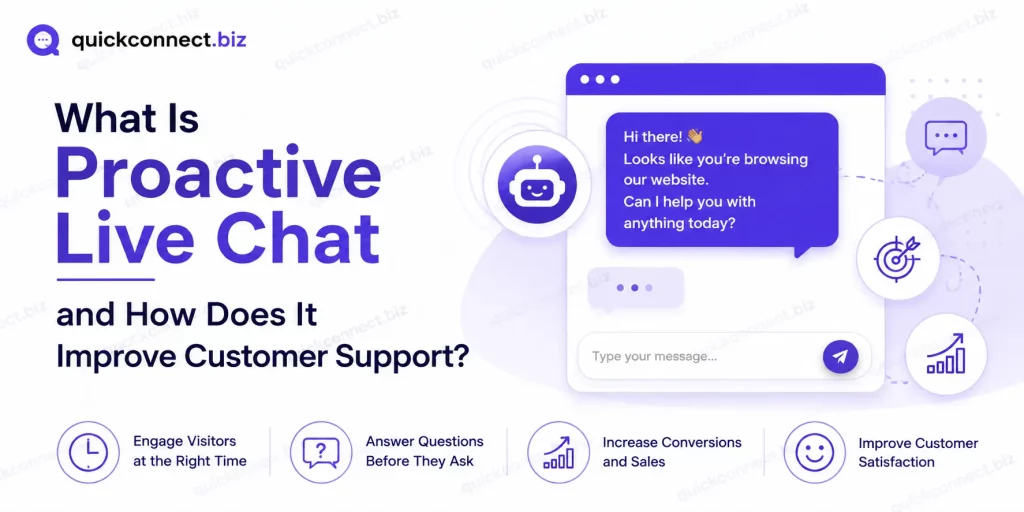
Most live chat is reactive; an agent waits for customers to start the chat. Proactive chat is when the agent starts the conversation first. This is an advanced skill that modern live chat solutions and AI chatbots can support.
Top agents watch what visitors do on the website. If someone spends several minutes looking at a complicated pricing page, the agent might send a friendly message like: “Hi there! I see you’re looking at our Pro Plan options. Do you have any questions about the features or price? I’m here to help!” This type of early help, done right, can prevent frustration and lead directly to a sale or great experience. The skill is knowing when to reach out without being annoying. Some live chat software includes AI agent features that can help identify these moments.
9. Understanding Your Performance Numbers
Every agent’s work is measured by specific numbers called metrics. Great live chat agents don’t just do the work—they understand how their work affects the company’s goals. Reviewing the chat transcript and tracking these numbers helps agents improve.
Important measurements include
- Average Handle Time (AHT): The average time from when a chat starts to when it ends. Lower time means the agent is working efficiently.
- Customer Satisfaction (CSAT): The score customers give after the chat ends. High scores mean the agent gave a good experience, and the customer’s feedback was positive.
- First Contact Resolution (FCR): (We talked about this in Skill 8)
Compare FRT, CSAT, and other measurements with current live chat statistics
The skill is being able to change how you work based on these numbers. If your average time is too high, you know you need to use more canned responses and quick system searches. If your satisfaction scores are low, you need to focus more on empathy and tone. Understanding these metrics is essential for all skills for agents to develop.
10. Always Learning and Improving
The best customer service agents don’t wait for training, they actively look for ways to get better. This has two parts.
First, they study the customer feedback they get from surveys and managers. They look at what went wrong in a chat message and figure out how to fix it next time. This continuous improvement approach sets excellent customer service apart.
Second, they look for problems in the company’s process. An example of this is when ten customers answer the same question in a single day, an agent ought to report it so that the company can add an explicit explanation to the site or make the product better.
They may propose including an initial survey before the chat to gather some information beforehand or making the chat app more practical. This adds value to an agent beyond being a service provider – they are a business partner. Being informed about new product features and discussing insights on the most frequently asked questions are high-order skills for chat support.
Conclusion: Becoming a Chat Expert
Being a successful live chat agent requires a mix of people skills and technical speed. It’s a job that needs constant focus, fast problem-solving, and the ability to communicate warmth and clarity through typed words. AI chatbots are on the rise, but human chat agents have not yet been replaced by AI bots, and it is the empathy and complex problem-solving that make really outstanding customer experiences.
Any agent can do more than type answers by mastering the key communication skills, operating your systems at a rapid pace, and applying a clever attitude to problem-solving. They turn out to be an indispensable part of the success of a company, providing the fast, gratifying experience that customers revert to. Whether you’re using advanced live chat software or a simple chat app, mastering these chat handling skills will help you become a skilled chat professional.